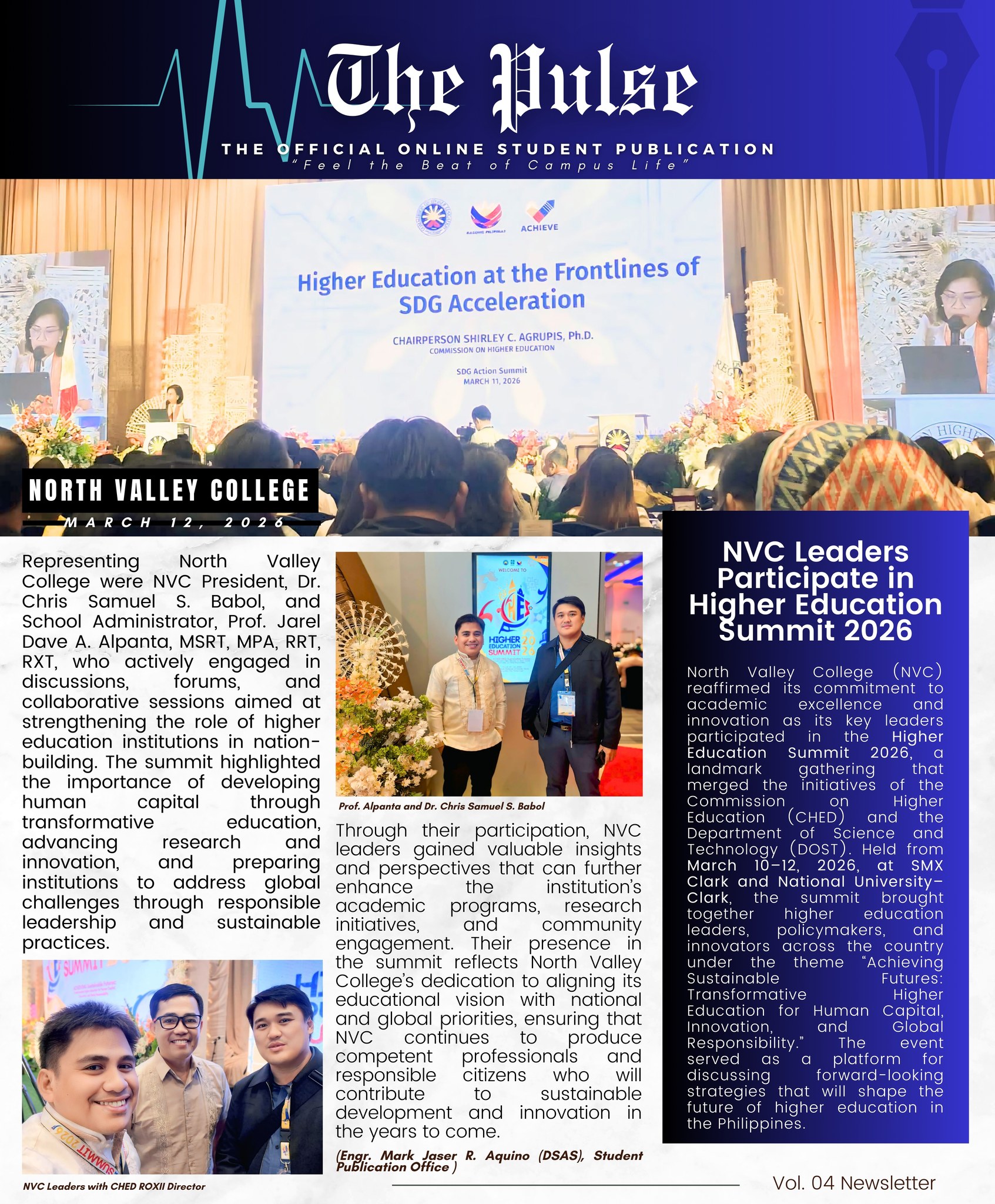





















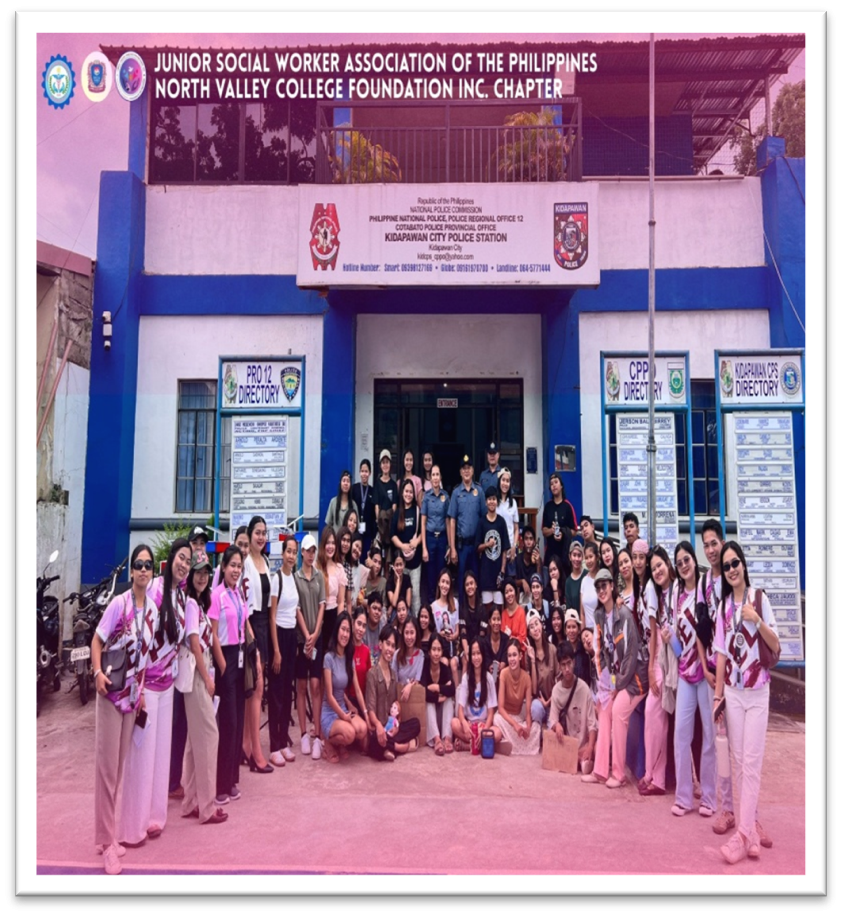
The Department of Social Work conducted “Deviance Day” as part of the academic requirements for second-year Social Work students to enhance their understanding of deviance, social norms, empathy, and social justice through experiential learning.
As implementer of Deviance Day activity, the experience was both challenging and meaningful. Planning and carrying out the activity required us to think carefully about how deviance works in everyday life and how people react when social norms are challenged. Students had to step out of their comfort zones and intentionally display behaviors that were considered “unusual,” which helped them better understand the concept of deviance beyond textbooks.
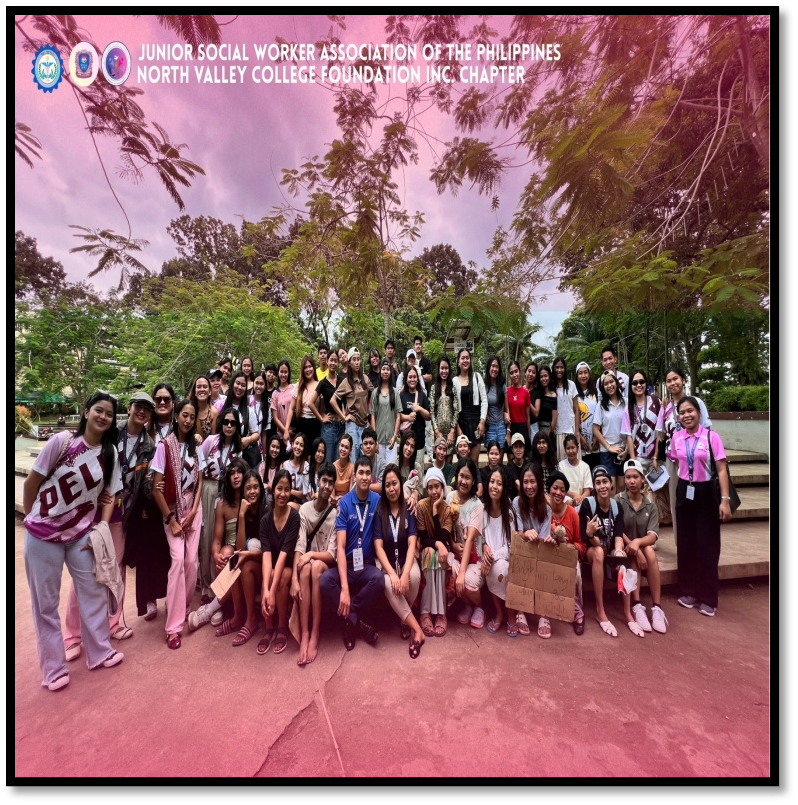
During the implementation, we together with the spotters observed different reactions from people in the community ranging from curiosity and amusement to confusion and judgment. These reactions highlighted how deeply social norms are embedded in daily routines. Even minor deviations were enough to draw attention, proving how powerful unwritten rules are in shaping behavior.
Implementing the simulation highlighted how easily individuals can be judged, stigmatized, or excluded when they deviate from dominant norms. Even minor deviations prompted noticeable
reactions such as discomfort, avoidance, or stereotyping. These responses reinforced the idea that deviance is socially constructed and often rooted in inequality, privilege, and power. The simulation made visible the emotional and psychological impact of labeling, which is frequently experienced by marginalized populations served by social workers.
The activity significantly enhanced students’ sense of empathy. Experiencing social discomfort firsthand fostered a deeper appreciation for the challenges faced by individuals who are routinely subjected to discrimination, surveillance, or exclusion. This insight emphasized the importance of trauma-informed and culturally responsive practice in social work. It reminded us that clients’ behaviors are often shaped by systemic barriers rather than personal failings.

From an implementation perspective, the program required ethical awareness, collaboration, and intentional reflection. Ensuring that the simulation remained respectful, educational, and aligned with social work values was essential. This responsibility reinforced the profession’s commitment to dignity, social justice, and advocacy.
Overall, activity strengthened students’ critical understanding of social norms, inequality, and the role of social workers in challenging oppressive systems. The experience underscored the importance of experiential learning in preparing future social workers to practice with empathy, reflexivity, and a strong commitment to social justice.